Why Smart Homes Have a Reputation Problem - And How the Industry Can Fix It
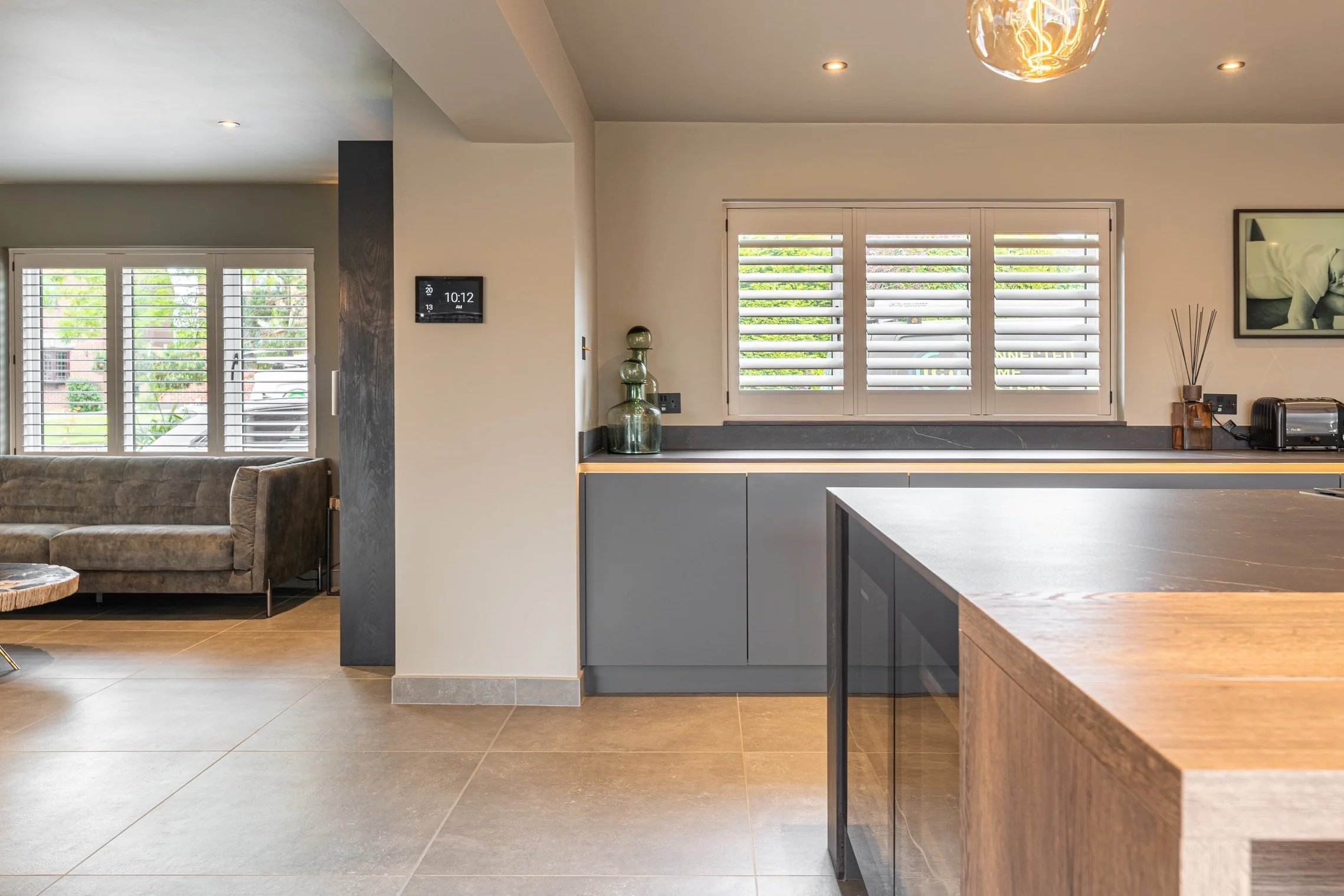
Smart home technology promises convenience, comfort and simplicity. So why do so many homeowners find themselves frustrated by systems that don't quite deliver? And what needs to change?
Smart home technology has come an extraordinary distance over the past two decades.
What was once considered a luxury reserved for the most exclusive properties has become increasingly accessible. Smart lighting, connected thermostats, video doorbells, voice assistants and wireless audio systems are now commonplace in homes across the UK.
Companies such as Apple, Google and Amazon have played a significant role in making this happen, introducing millions of people to the possibilities of connected technology.
Yet despite all this progress, smart homes still seem to have something of a reputation problem.
Search online and you'll find countless stories of unreliable devices, frustrating apps, connectivity problems and technology that promises to make life easier but somehow manages to make it more complicated.
So where has it gone wrong?
Having worked in the smart home industry for over 20 years, I believe the answer is more complicated than simply blaming the technology.
Part of the problem is that we've lost sight of what a genuinely smart home is supposed to achieve.
A Collection of Smart Devices Isn't Necessarily a Smart Home
There's no question that consumer smart home products have transformed the market.
Today, almost anyone can purchase a smart bulb, connect a thermostat to their Wi-Fi or install a video doorbell.
These products can be incredibly useful, and many provide excellent value for money.
But there's an important distinction between owning several smart devices and living in a genuinely smart home.
Consider a typical household with smart lighting, heating, security cameras and perhaps a few connected speakers.
Each product might work perfectly well on its own, but often requires a separate app, account or method of control.
The homeowner becomes responsible for managing how everything works.
They need to know which app controls which device, remember voice commands and occasionally troubleshoot when something stops responding.
Rather than making life simpler, the technology can introduce another layer of complexity.
A truly smart home should do precisely the opposite.
It should bring the different technologies within a property together, allowing them to operate as one coordinated system.
And, importantly, much of that interaction should happen automatically.
The Best Smart Home Is One You Barely Notice
When we design a smart home, the starting point shouldn't be a list of products or a collection of impressive features.
It should be understanding how the people living in the property want their home to feel and function.
For example, imagine arriving home on a dark winter evening.
Rather than opening an app to switch on individual lights, the home recognises your arrival and gently illuminates the appropriate areas.
As daylight changes, the lighting adjusts to maintain a comfortable environment.
Heating and shading work together to manage temperature and sunlight, helping to maintain comfort without unnecessary energy consumption.
When it's time to relax, a single action can prepare the living room for an evening watching television, adjusting the lighting, closing the blinds and bringing the entertainment system to life.
And when everyone leaves, the property can respond accordingly.
None of these examples is particularly revolutionary in isolation.
The difference comes from how they're designed to work together.
The real intelligence isn't in the individual devices. It's in the way the home responds to the people living in it.
That's where thoughtful design becomes so important.
Why Do Smart Homes Sometimes Go Wrong?
One of the biggest challenges facing the smart home industry is reliability.
Homeowners quite reasonably expect technology installed in their property to work consistently.
After all, we don't expect to reboot our conventional light switches or troubleshoot our heating every few days.
Yet connected technology can introduce dependencies that aren't always obvious.
A poorly configured wireless network, for example, can affect everything from audio streaming to lighting and security cameras.
Products from different manufacturers may not communicate as expected.
Software updates can occasionally disrupt integrations, while some devices rely on cloud services that may change or eventually disappear.
These problems aren't necessarily a reflection of smart home technology as a whole.
Often, they're the result of products being introduced individually, without sufficient consideration for the wider system.
And this is where the distinction between purchasing smart products and designing a smart home becomes particularly important.
A properly planned system considers how everything will communicate, what infrastructure is required and how essential functions will continue operating if an internet connection becomes unavailable.
It also considers the future.
Technology will inevitably evolve, but the infrastructure within a property should be designed with longevity, maintenance and adaptability in mind.
Professional Installation Doesn't Automatically Mean Good Design
It's tempting to suggest that the solution is simply to employ a professional smart home installer.
But I don't believe it's quite that straightforward.
Over the years, I've encountered installations that demonstrate just how sophisticated modern home technology can be.
Unfortunately, I've also seen systems that are unnecessarily complicated, poorly configured or simply inappropriate for the property in which they've been installed.
Sometimes the underlying network hasn't been designed correctly.
Sometimes the control interface is confusing.
And occasionally, the technology has been specified without properly understanding how the homeowner intends to use it.
These problems can occur even when considerable sums of money have been invested.
A professionally installed system is only as good as the thinking, experience and attention to detail behind it.
That's why training, product knowledge and genuine integration experience matter.
Smart home technology brings together several disciplines, including electrical infrastructure, networking, lighting, heating, audio-visual systems and software.
Understanding how those disciplines interact is essential.
Simply knowing how to install a particular product doesn't necessarily mean understanding how to design a complete home technology system.
As an industry, I believe we have a responsibility to recognise that distinction and continually improve the standards we deliver.
Smart Home Design Should Begin With the Building
One of the most common mistakes I see is technology being considered too late in a building project.
The architecture has been finalised, the lighting layouts agreed, the electrical installation is underway, and only then does somebody raise the question of smart home integration.
By this stage, opportunities may already have been lost.
Lighting control, for example, can influence how electrical circuits are designed and how rooms are illuminated.
Automated shading needs to be considered alongside window design, recesses and power requirements.
Heating and cooling controls need to coordinate with the building's mechanical systems.
Networking, Wi-Fi and structured cabling need to be planned to provide reliable coverage and connectivity throughout the property.
And all of this should complement the interior design rather than compromise it.
When technology specialists are involved early, these elements can be considered together.
The result is generally a more cohesive design, fewer compromises during construction and a better experience for the homeowner.
Technology should be treated as an integral part of the building, just like lighting, heating and electrical services, rather than something added once everything else has been decided.
This is particularly important in larger homes, where the number of connected systems and the complexity of the infrastructure can increase considerably.
It's Not About Having More Technology
Another misconception is that a better smart home must contain more technology.
More screens, more devices, more automation and more features.
But complexity isn't necessarily a sign of sophistication.
In fact, some of the most successful installations are those where the technology is almost invisible.
A beautifully designed lighting system might use discreet keypads rather than banks of conventional switches.
A carefully planned network can provide seamless connectivity without visible equipment throughout the property.
Audio systems can be integrated into the architecture, delivering exceptional sound without dominating the room.
And automated shading can improve comfort while preserving the original interior design vision.
The homeowner doesn't need to understand the engineering behind any of these systems.
They simply need to enjoy the results.
The measure of a successful smart home shouldn't be how much technology it contains, but how effectively that technology improves everyday living.
Where Do Apple, Google and Amazon Fit In?
The major technology companies deserve considerable credit for bringing smart home technology into the mainstream.
They've made connected devices accessible, encouraged innovation and helped homeowners discover what's possible.
Emerging interoperability standards such as Matter and Thread are also helping address some of the compatibility challenges that have historically affected consumer products.
And there's absolutely a place for these technologies within a professionally designed home.
Not every property needs an extensive automation system, and not every homeowner has the same requirements.
For some, a few carefully chosen connected products will be entirely appropriate.
For others, particularly those undertaking substantial renovations or building a new home, a more comprehensive approach can offer significant benefits.
The important thing is understanding the difference.
A smart home shouldn't be defined by the brands installed within it, but by how successfully those technologies work together to meet the homeowner's needs.
Changing the Reputation of Smart Homes
So how do we improve confidence in smart home technology?
I believe it starts with changing the conversation.
As an industry, we've traditionally spent a great deal of time talking about products, specifications and features.
But homeowners aren't necessarily interested in processors, network switches or automation protocols.
They want reliable Wi-Fi.
They want lighting that feels right.
They want comfortable rooms, intuitive controls, excellent entertainment and technology that works without constant intervention.
Most importantly, they want confidence that the systems installed in their home will continue to perform reliably for years to come.
Delivering that experience requires good design, competent installation, thorough commissioning and appropriate ongoing support.
It also requires better collaboration between technology specialists, architects, interior designers, developers and the other professionals involved in creating a home.
The earlier those conversations begin, the greater the opportunity to deliver something genuinely worthwhile.
The Future of the Smart Home Should Be Simpler
Technology will continue to evolve.
Artificial intelligence, improved connectivity and increasingly sophisticated automation will undoubtedly introduce new possibilities.
But I don't believe the future of the smart home should be measured by how many additional features we can introduce.
It should be measured by how much simpler, more comfortable and more intuitive we can make the experience of living in a home.
Because ultimately, homeowners don't want to spend their time managing technology.
They want to enjoy their homes.
After more than two decades working in this industry, that's the principle I keep coming back to.
The smartest home isn't necessarily the one with the most advanced technology. It's the one where everything works so naturally that you barely notice the technology is there.
And if we can consistently deliver that experience, perhaps we can finally begin to change the reputation of the smart home.
Want to understand why good design makes all the difference? Read our article, Why Smart Home Design Is Crucial, where we explore why involving a technology specialist early in a project is essential to creating a home that's intuitive, reliable and built around the way you live