What is a Smart Home?
If you’ve ever controlled your heating from your phone, asked Alexa to play music, or received a notification when someone arrived at your front door, you’ve already experienced elements of a smart home.
But despite the term becoming increasingly common, many homeowners are still unsure what a smart home actually is.
Some imagine futuristic houses that think for themselves. Others assume it’s simply a collection of gadgets connected to Wi-Fi.
The reality sits somewhere in the middle.
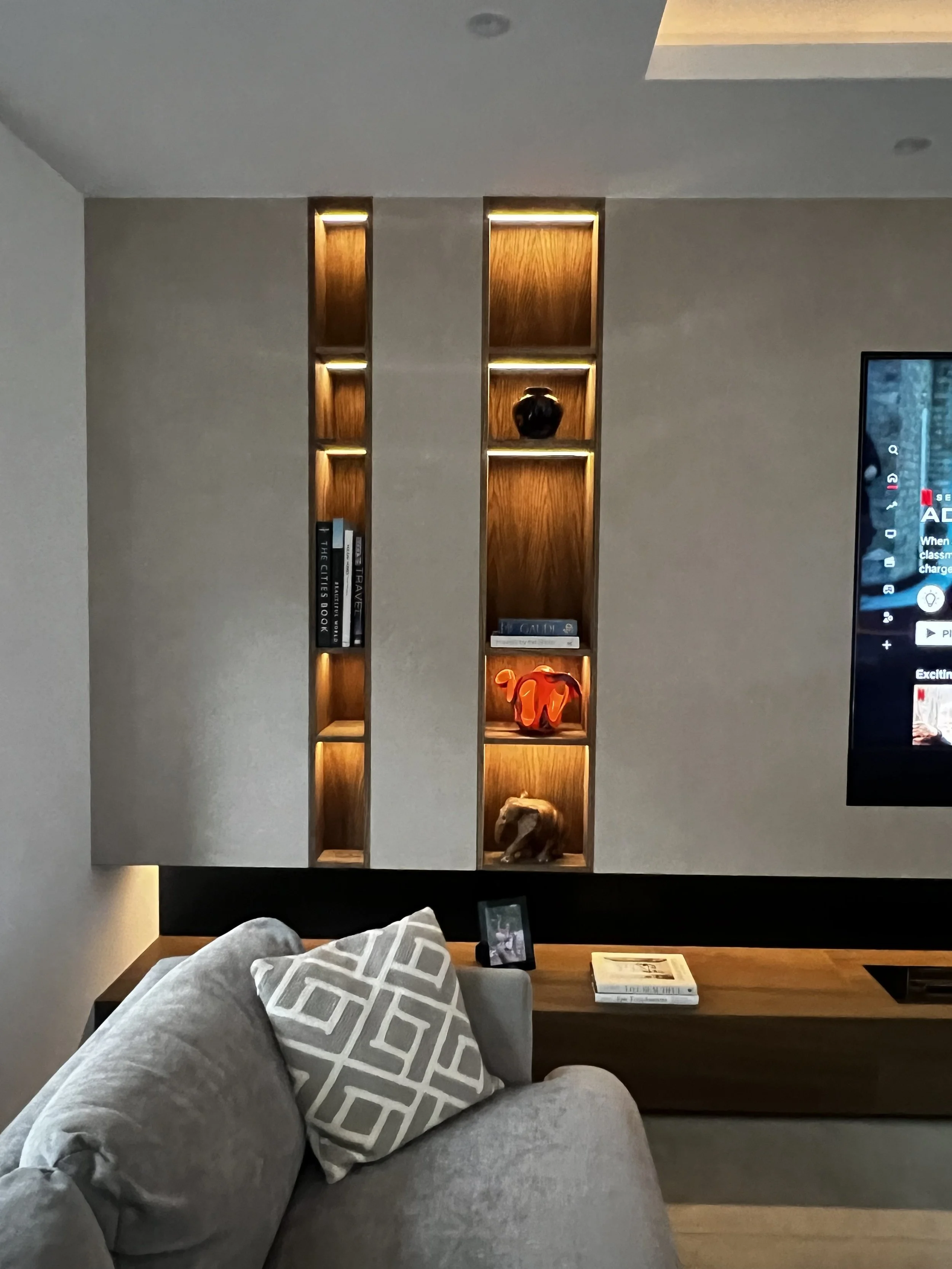
A Smart Home Explained
A smart home uses technology to connect and control systems throughout your property, making them easier to manage, more efficient, and more enjoyable to use.
Rather than operating independently, systems such as lighting, heating, audio, security, blinds and entertainment can work together through a single platform.
This means you can control multiple aspects of your home from one app, a wall keypad, a remote control, or even automatically based on schedules and conditions.
A well-designed smart home isn’t about adding more technology. It’s about making technology simpler.
What Can Be Included In A Smart Home?
Smart home technology can range from a few connected devices to a fully integrated home automation system.
Common systems include:
Lighting Control
Instead of operating every light individually, lighting scenes can adjust multiple lights with a single press.
For example:
“Morning” gently raises lighting levels throughout the home.
“Evening” creates a relaxed atmosphere.
“Away” turns everything off when you leave.
Heating And Climate Control
Smart climate systems allow homeowners to control temperatures room by room.
Benefits include:
Improved comfort
Lower energy consumption
Remote control from anywhere
Automated schedules
Home Audio
Music can be distributed throughout the property, allowing different rooms to play different content or synchronise together.
You can enjoy music in the kitchen, living room, garden and gym without needing separate systems in each space.
Home Cinema And Media Rooms
Smart home systems can simplify entertainment by controlling:
TVs
Projectors
Audio systems
Streaming services
Lighting
Blinds
Instead of multiple remotes, everything can be controlled through a single interface.
Security And CCTV
Security systems can include:
CCTV cameras
Smart doorbells
Intruder alarms
Gate automation
Access control
Homeowners can monitor and manage their property remotely from anywhere in the world.
Window Treatments
Motorised blinds and curtains can operate automatically based on:
Time of day
Sunrise and sunset
Room occupancy
Lighting conditions
This improves comfort, privacy and energy efficiency.
Is A Smart Home The Same As Home Automation?
Not necessarily.
A smart home typically refers to connected devices that can be controlled remotely.
Home automation takes things further by allowing systems to react automatically without user input.
For example:
A smart light can be switched on from an app.
An automated lighting system can turn on automatically when you enter a room, adjust brightness throughout the day and switch off when the house is empty.
The most effective smart homes combine both.
What Are The Benefits Of A Smart Home?
Convenience
The biggest benefit is simplicity.
Instead of managing multiple apps, remotes and switches, everything can work together through one intuitive system.
Comfort
Technology can adapt your home to suit how you live.
Lighting, temperature, music and shading can all adjust automatically throughout the day.
Energy Efficiency
Smart homes can reduce unnecessary energy consumption by:
Turning off unused lighting
Optimising heating schedules
Managing cooling systems efficiently
Automatically controlling blinds and shading
Security
Remote access allows homeowners to monitor and manage their property wherever they are.
Many systems can also provide instant notifications if unusual activity is detected.
Future-Proofing
As modern homes become increasingly dependent on technology, installing the right infrastructure early can make future upgrades far simpler and more cost-effective.
Does Every Home Need To Be A Smart Home?
Not every property requires a fully integrated automation system.
However, almost every modern home now relies on some level of technology.
Reliable Wi-Fi, connected entertainment, heating controls, security systems and charging infrastructure have become everyday expectations rather than luxuries.
The question is no longer whether technology belongs in the home.
The question is how well it has been planned.
The Most Common Smart Home Mistake
Many homeowners begin by purchasing individual smart devices online.
While this can work initially, it often results in multiple apps, inconsistent performance and systems that don’t communicate with one another.
The best smart homes are designed as a complete ecosystem where technology works together seamlessly.
Just as an architect designs the structure of a property and a lighting designer plans the lighting scheme, technology should be considered as part of the overall design process.
Final Thoughts
A smart home isn’t about filling a property with gadgets.
It’s about creating a home that is easier to live in.
When designed properly, technology becomes almost invisible. Lighting adjusts automatically. Music follows you through the house. Heating maintains comfort efficiently. Security works quietly in the background.
The technology is there, but it doesn’t demand your attention.
That’s what a smart home should be!
Building or renovating your property? Have a read of our article on Why Modern Homes Now Require Technology (and why it’s no longer optional)