Technology & Wellbeing in the Home: Designing Spaces That Actually Improve How We Feel
For years, technology in the home has been framed around convenience - faster Wi-Fi, smarter controls, better entertainment. But that’s only half the story.
The real shift happening now is more meaningful: smart home wellbeing is becoming a core part of modern living. Technology is no longer just making homes easier to live in - it’s actively making them better to live in.
From lighting that supports your natural sleep cycle to environments that reduce stress and cognitive overload, the modern home is evolving into a space that supports both physical and mental health.
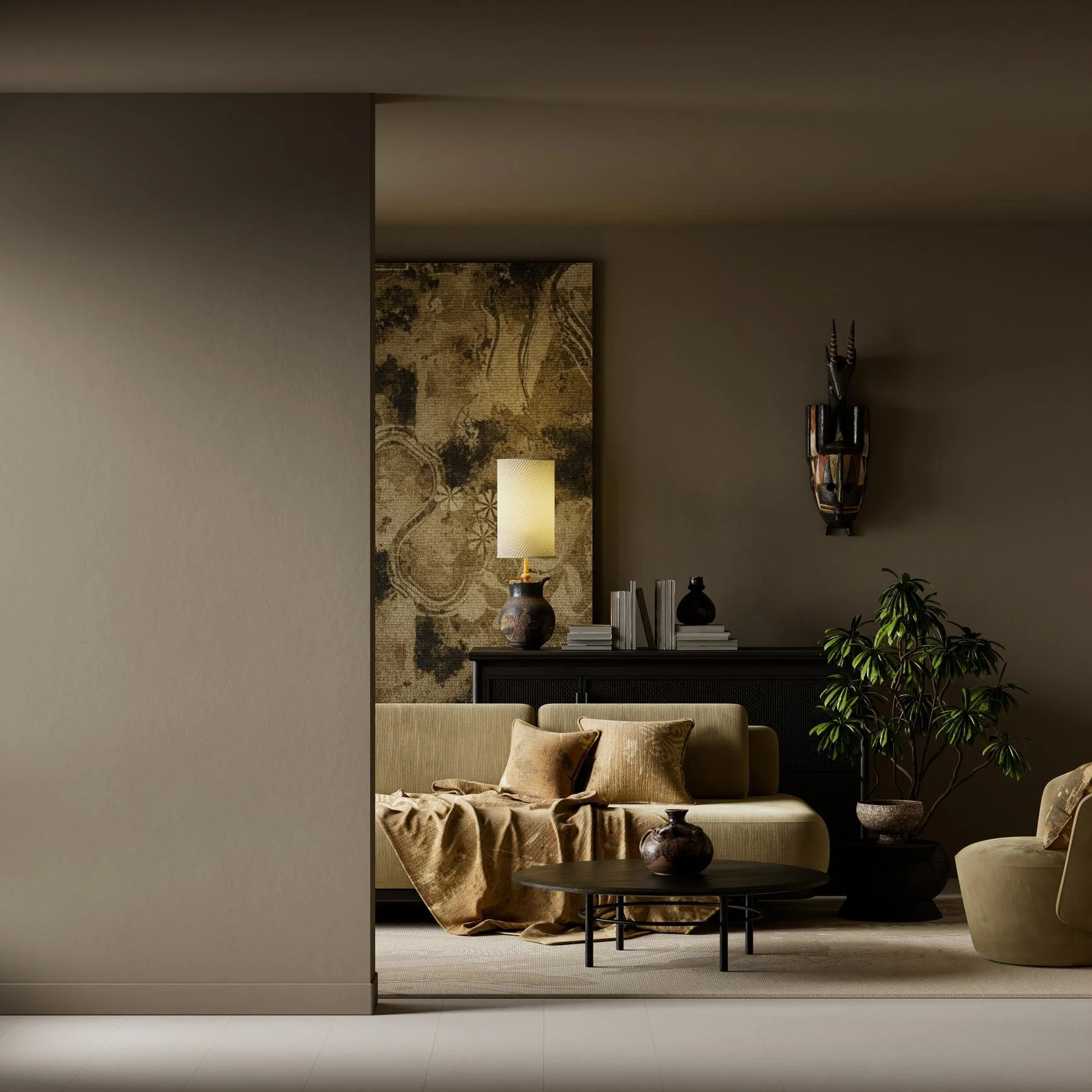
Why Modern Homes Are Failing Our Wellbeing
We’re more connected than ever, but not necessarily better off.
Constant notifications, poor sleep, artificial lighting, and overstimulating environments have created homes that often work against us. The irony is that the same technology contributing to this problem is also what can solve it, when designed correctly.
The key is intentional design, not just adding more technology.
How Smart Lighting Supports Sleep & Mood
Lighting is one of the most underestimated elements of a home - and one of the most powerful when it comes to wellbeing.
Poor lighting can disrupt sleep, impact mood, and reduce productivity. Yet many homes still rely on static lighting that doesn’t adapt throughout the day.
Smart lighting changes that:
Circadian lighting mimics natural daylight patterns, helping regulate sleep cycles
Warmer tones in the evening encourage relaxation
Brighter, cooler light during the day supports focus and energy
Automated lighting scenes remove the need for constant manual adjustment
This isn’t about smart bulbs - it’s about designing lighting that works with your body, not against it.
Reducing Stress Through Home Automation
A well-designed smart home should feel effortless.
When lighting, heating, shading, and audio systems work together seamlessly, there’s less need for constant decision-making, and that has a direct impact on stress levels.
Every small decision adds to cognitive load. Over time, this becomes mentally draining.
Integrated home automation can:
Adjust heating automatically based on occupancy
Lower blinds to reduce glare and overheating
Set lighting scenes based on time of day
Simplify control into a single, intuitive system
The result is a home that feels calmer, more predictable, and easier to live in.
The Importance of Sound & Acoustics in the Home
Wellbeing isn’t just visual, it’s auditory too.
Noise within the home is often overlooked, whether it’s echo from hard surfaces, external disturbances, or poor-quality audio systems.
Thoughtful design can significantly improve this:
Acoustic treatments reduce harsh reflections and create calmer environments
Zoned audio systems allow for controlled, intentional listening
Bedrooms and quiet spaces can be designed to minimise external noise
This is where technology and architectural design begin to overlap, and where the biggest improvements in comfort are often found.
Air Quality, Comfort & Environmental Control
We spend most of our time indoors, yet air quality is rarely considered.
Smart home systems can monitor and respond to:
CO₂ levels
Humidity
Temperature
Airborne pollutants
When properly integrated, the home can automatically adjust ventilation, filtration, and climate to maintain a healthier living environment.
This is especially important in modern, energy-efficient homes where natural airflow is reduced.
Designing Spaces That Adapt to You
One of the most powerful aspects of smart home technology is adaptability.
A single space can serve multiple purposes throughout the day:
A bright, energising workspace in the morning
A calm, softly lit living area in the evening
An immersive entertainment space at night
This is achieved through layered design - lighting, shading, audio, and control systems working together.
The goal isn’t to add complexity, but to remove it.
Why Smart Home Design Must Be Considered Early
One of the most common mistakes in residential projects is adding technology too late in the process.
If wellbeing is the goal, smart home design needs to be considered from the beginning - alongside architecture, lighting design, and interiors.
Because a poorly designed smart home can be more frustrating than having no smart technology at all.
The Future of Smart Home Wellbeing
Homes are becoming more proactive, not reactive.
Lighting adjusts automatically as natural daylight changes
Heating systems learn daily routines
Spaces adapt based on how they are used
And importantly, all of this happens quietly in the background.
This is where technology stops being a feature - and becomes part of the fabric of the home.
Final Thoughts
Technology in the home shouldn’t be about showing off features.
It should be about how a space makes you feel.
When designed correctly, smart home technology can:
Improve sleep
Reduce stress
Enhance comfort
Support productivity
Create better everyday experiences
But these outcomes don’t happen by accident.
They require careful planning, thoughtful design, and a clear understanding that wellbeing is now a fundamental part of modern home design - not an afterthought.
If you're planning a new home or development and want to understand how smart home technology can support wellbeing, comfort, and long-term value, get in touch with our team.